
Resolving Backend Bottlenecks to Deliver Measurable Performance Gains
Hyster-Yale
Manufacturing & Distribution
The Value
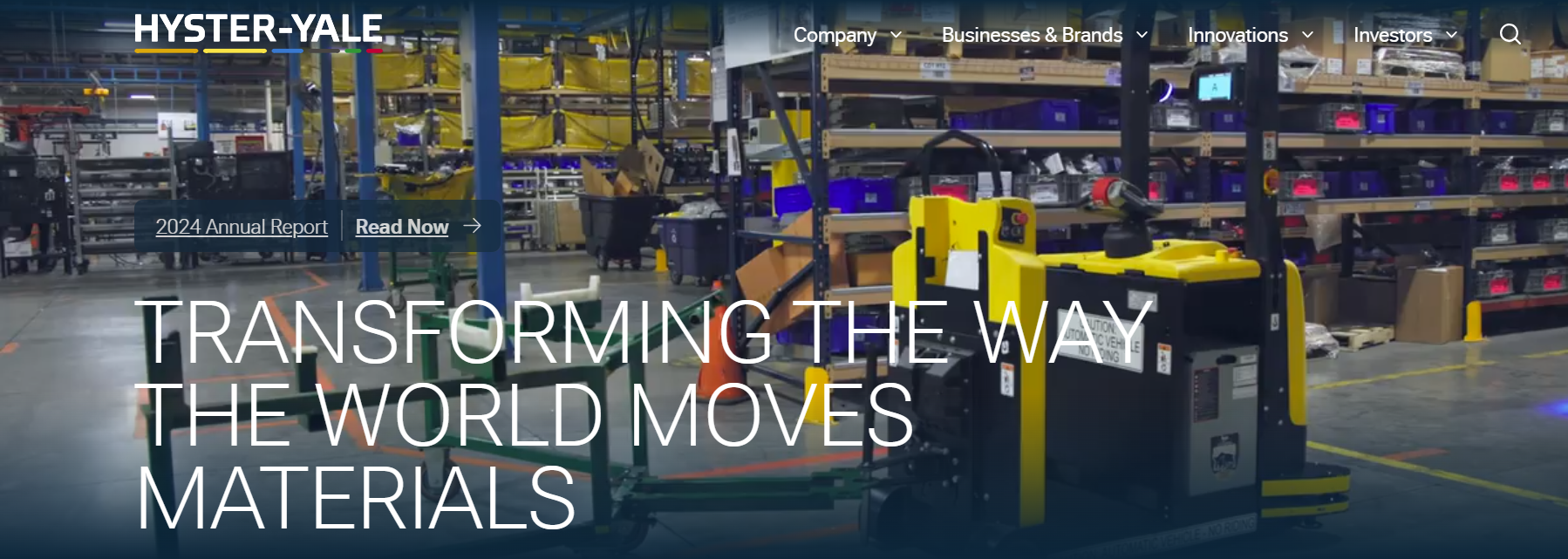
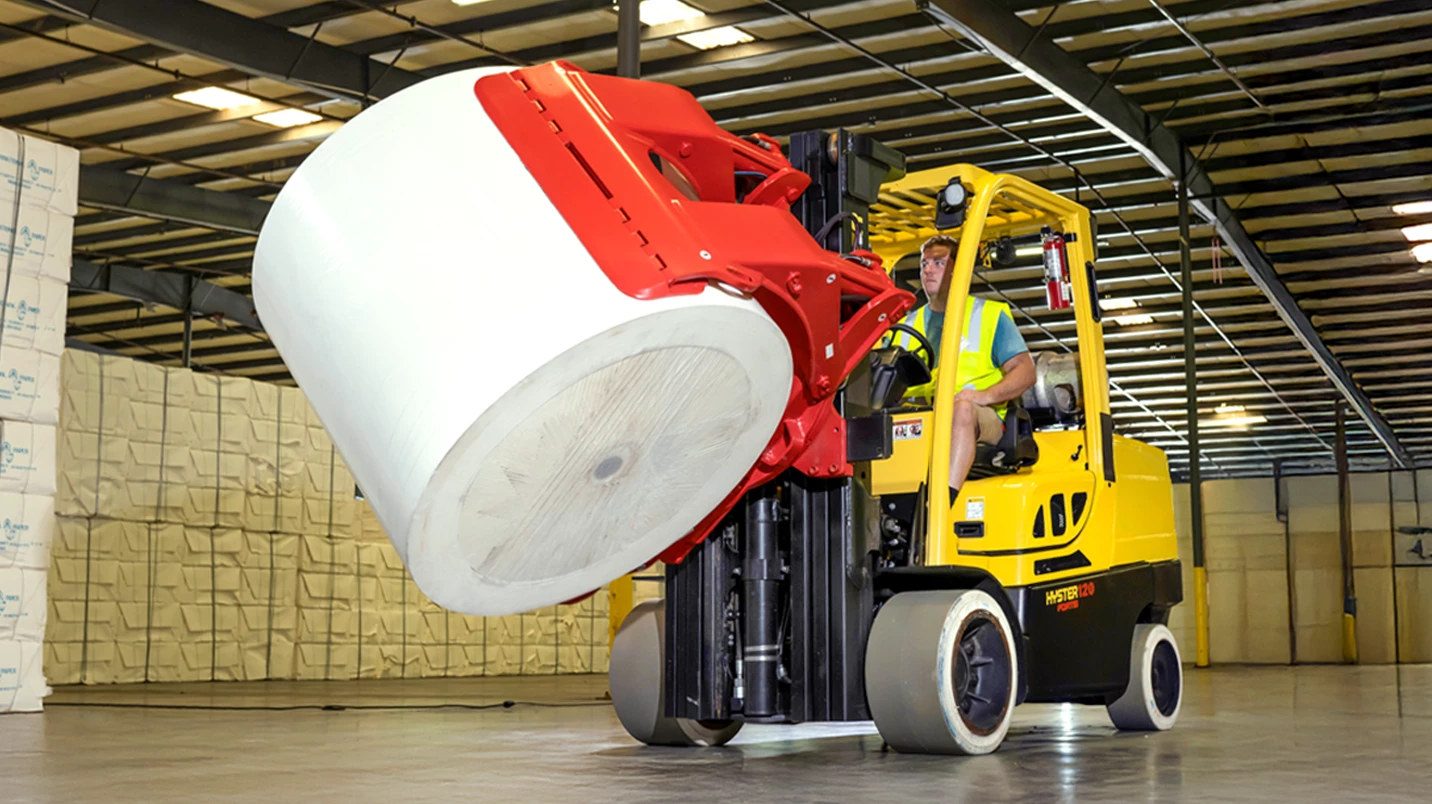
Hyster-Yale partnered with The C2 Group to address a systemic backend performance issue that was slowing page load times and creating instability under load. Through targeted service architecture changes, the platform saw response time improvements and stronger HTTP success rates across all environments.
+53%


Peak Response Time Improvement

No items found.
See what we’ve done for other Industry leaders
EXPLORE MORE CASE STUDIESManufacturing & Distribution
Andersons Grain
Andersons Grain partnered with The C2 Group to create personalized mobile and desktop experiences for their diverse audiences. Their efforts improved customer service, gained better intelligence on site visitor behavior, and provided highly personalized experiences that drive new memberships.

Manufacturing & Distribution
ACCO Brands
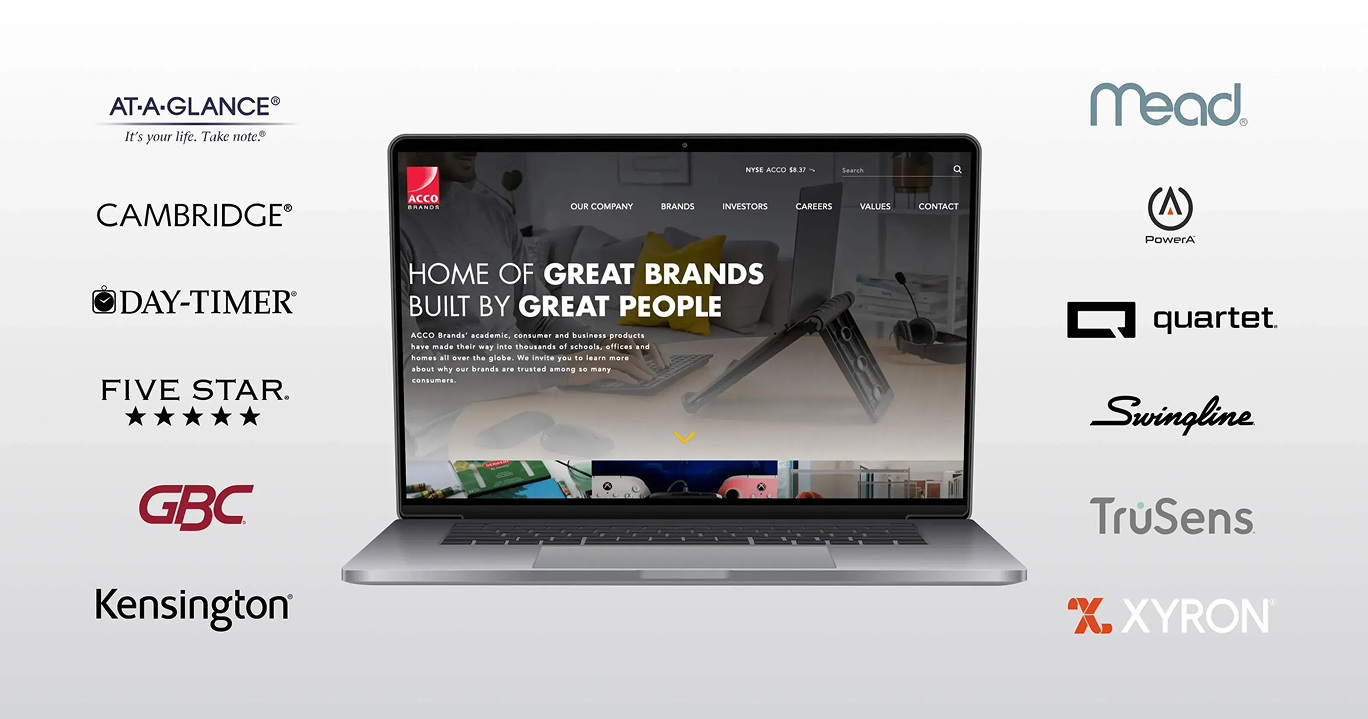
ACCO Brands, a global supplier of branded academic, consumer and business products, sought the help of The C2 Group to increase revenue and streamline its online shopping experience through a unified content and commerce solution that could scale to support more than 20 market-leading brands.
Education
Alamo Colleges
Alamo Colleges District, a public community college system serving Bexar County, Texas, needed to enhance its digital ecosystem to address significant user experience issues, including poor navigation and mobile optimization, in order to better serve its current students and increase conversion rates for prospective enrollees.
Manufacturing & Distribution
Andersons Grain
Andersons Grain partnered with The C2 Group to create personalized mobile and desktop experiences for their diverse audiences. Their efforts improved customer service, gained better intelligence on site visitor behavior, and provided highly personalized experiences that drive new memberships.
Manufacturing & Distribution
ACCO Brands
ACCO Brands, a global supplier of branded academic, consumer and business products, sought the help of The C2 Group to increase revenue and streamline its online shopping experience through a unified content and commerce solution that could scale to support more than 20 market-leading brands.
Education
Alamo Colleges
Alamo Colleges District, a public community college system serving Bexar County, Texas, needed to enhance its digital ecosystem to address significant user experience issues, including poor navigation and mobile optimization, in order to better serve its current students and increase conversion rates for prospective enrollees.